Welcome to your inside look at tattoo culture, craft, and creativity. This is where ideas take shape, inspiration flows freely, and the stories behind the ink come to life. From behind-the-scenes peeks into the studio to honest conversations about the process, healing, and meaning — this is the real talk your artist won’t gatekeep.
Getting your first tattoo is more than just booking an appointment and picking a design off Pinterest. It’s a decision that will sit with you—literally—for life. Whether you’re excited, nervous, or somewhere in between, this guide will walk you through everything you need to know to make sure your first tattoo experience is smooth, meaningful, and regret-free.
1. Choosing the Right Artist & Studio Don’t settle. The right artist makes all the difference. Look for portfolios, consistency, healed results, and client reviews. Check their hygiene practices and how they communicate. Do they answer your questions? Do they understand your vision? Ask yourself if you feel safe and heard—because that matters.
2. Define Your Style Before You Decide Your Design Each tattoo style speaks its own visual language. Fine line, blackwork, realism, traditional, illustrative, ornamental—explore them all before finalising your design. If you’re unsure, show reference images and let the artist guide you. The goal is not to copy but to co-create.
3. Ask the Right Questions During Consultation Don’t be shy about asking:
4. Prepare for the Appointment Tattooing is physically taxing. Sleep well the night before. Eat a full meal. Stay hydrated. Wear comfy clothes that allow access to the tattooed area. Bring a snack, ID, and headphones if you want to zone out.
5. Understand the Pain Factor Pain is subjective, but certain areas hurt more—ribs, spine, ankles, inner biceps. If it’s your first, start with a medium-pain area like the forearm or outer thigh. Numbing creams can help, but consult your artist first.
6. Pricing & Deposits Good tattoos aren’t cheap. Artists may charge hourly or per piece. Always expect to pay a deposit upfront to secure your booking. Avoid negotiating prices—you’re investing in expertise, hygiene, and creativity.
7. Aftercare Basics Your tattoo isn’t done when you leave the studio. It needs care:
Your first tattoo should feel like a rite of passage, not a regret. Take your time choosing, planning, and preparing—and work with a professional who respects both the art and your skin. The result? A piece you’ll wear proudly for life.
Getting your first tattoo is more than just booking an appointment and picking a design off Pinterest. It’s a decision that will sit with you—literally—for life. Whether you’re excited, nervous, or somewhere in between, this guide will walk you through everything you need to know to make sure your first tattoo experience is smooth, meaningful, and regret-free.
1. Choosing the Right Artist & Studio Don’t settle. The right artist makes all the difference. Look for portfolios, consistency, healed results, and client reviews. Check their hygiene practices and how they communicate. Do they answer your questions? Do they understand your vision? Ask yourself if you feel safe and heard—because that matters.
2. Define Your Style Before You Decide Your Design Each tattoo style speaks its own visual language. Fine line, blackwork, realism, traditional, illustrative, ornamental—explore them all before finalising your design. If you’re unsure, show reference images and let the artist guide you. The goal is not to copy but to co-create.
3. Ask the Right Questions During Consultation Don’t be shy about asking:
4. Prepare for the Appointment Tattooing is physically taxing. Sleep well the night before. Eat a full meal. Stay hydrated. Wear comfy clothes that allow access to the tattooed area. Bring a snack, ID, and headphones if you want to zone out.
5. Understand the Pain Factor Pain is subjective, but certain areas hurt more—ribs, spine, ankles, inner biceps. If it’s your first, start with a medium-pain area like the forearm or outer thigh. Numbing creams can help, but consult your artist first.
6. Pricing & Deposits Good tattoos aren’t cheap. Artists may charge hourly or per piece. Always expect to pay a deposit upfront to secure your booking. Avoid negotiating prices—you’re investing in expertise, hygiene, and creativity.
7. Aftercare Basics Your tattoo isn’t done when you leave the studio. It needs care:
Your first tattoo should feel like a rite of passage, not a regret. Take your time choosing, planning, and preparing—and work with a professional who respects both the art and your skin. The result? A piece you’ll wear proudly for life.
There’s something timeless about flowers — they bloom, they wither, and yet, they always return. That’s what makes floral tattoos so powerful. They aren’t just about aesthetics; they’re about growth, healing, transformation, and resilience.
A single rose can hold the memory of someone you’ve loved. A lotus might represent your rise from darkness. A wildflower could speak to your untamed spirit. Each stem, petal, and thorn can become part of a personal story told through ink.
Floral tattoos are not one-size-fits-all — they can be delicate or bold, subtle or full of colour. They can wrap around a wrist like a whisper or bloom boldly across your back. That’s the beauty: you choose what it says and how it lives on your skin.
Whether you’re drawn to nature, mythology, or just want to mark a new beginning, a floral tattoo can be your living reminder of who you are — and who you’re still becoming.
Ready to grow something permanent?
Let’s design a piece that feels as personal as it looks beautiful.
There’s something timeless about flowers — they bloom, they wither, and yet, they always return. That’s what makes floral tattoos so powerful. They aren’t just about aesthetics; they’re about growth, healing, transformation, and resilience.
A single rose can hold the memory of someone you’ve loved. A lotus might represent your rise from darkness. A wildflower could speak to your untamed spirit. Each stem, petal, and thorn can become part of a personal story told through ink.
Floral tattoos are not one-size-fits-all — they can be delicate or bold, subtle or full of colour. They can wrap around a wrist like a whisper or bloom boldly across your back. That’s the beauty: you choose what it says and how it lives on your skin.
Whether you’re drawn to nature, mythology, or just want to mark a new beginning, a floral tattoo can be your living reminder of who you are — and who you’re still becoming.
Ready to grow something permanent?
Let’s design a piece that feels as personal as it looks beautiful.
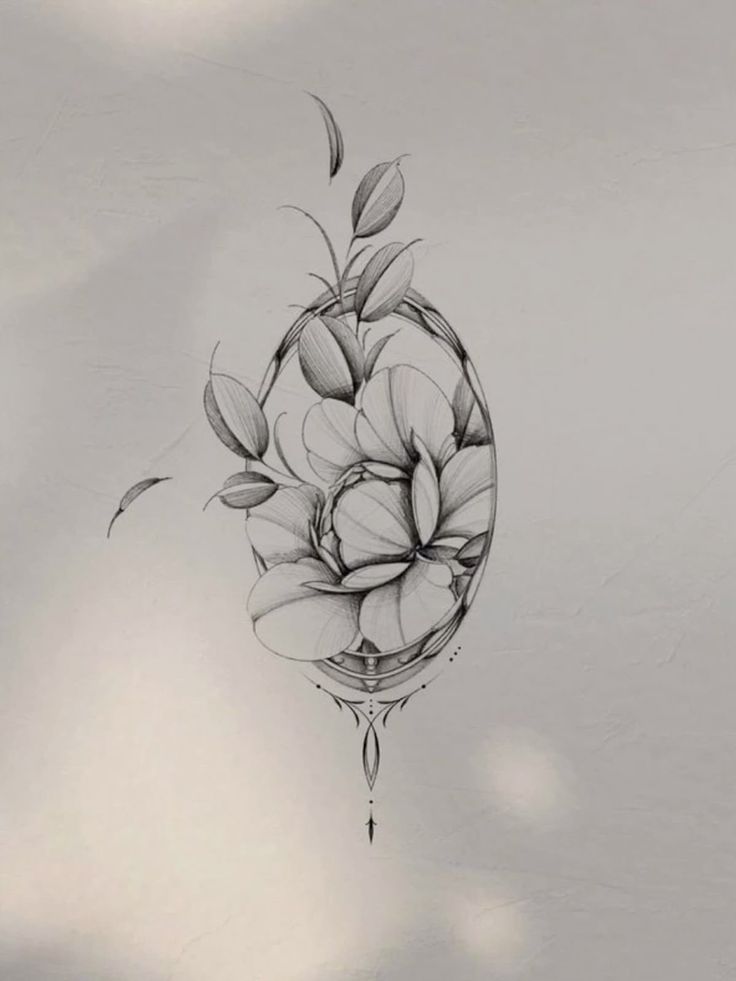
You’ve just left the studio with your fresh new ink—congrats! But the next few weeks are critical. How you care for your tattoo determines how well it heals, how crisp it looks, and how long it lasts. Welcome to the definitive guide to tattoo aftercare.
1. The First 24 Hours Your artist may wrap your tattoo in cling film or second skin. Follow their specific instructions. If it’s cling film, remove it after a few hours, gently wash with lukewarm water and unscented soap, and pat dry. If it’s second skin, leave it on for the recommended time (usually 3-5 days) unless irritation occurs.
2. Cleaning & Moisturising Clean your tattoo 2-3 times a day with gentle, unscented soap. Avoid over-washing. After cleaning, apply a thin layer of fragrance-free, alcohol-free moisturiser. Too much can suffocate the skin; too little can cause cracking.
3. What to Avoid
4. The Healing Timeline
5. Signs of Trouble Infections are rare but serious. Watch out for:
6. Long-Term Care Even after it heals, protect your tattoo with SPF 50+ sunscreen. Moisturise regularly and avoid exfoliants on the tattooed area.
Think of aftercare as the final stage of the tattoo process. Doing it right means your tattoo heals beautifully, lasts longer, and keeps its detail and colour intact. Your artist did their part—now it’s your turn to keep the art alive.
You’ve just left the studio with your fresh new ink—congrats! But the next few weeks are critical. How you care for your tattoo determines how well it heals, how crisp it looks, and how long it lasts. Welcome to the definitive guide to tattoo aftercare.
1. The First 24 Hours Your artist may wrap your tattoo in cling film or second skin. Follow their specific instructions. If it’s cling film, remove it after a few hours, gently wash with lukewarm water and unscented soap, and pat dry. If it’s second skin, leave it on for the recommended time (usually 3-5 days) unless irritation occurs.
2. Cleaning & Moisturising Clean your tattoo 2-3 times a day with gentle, unscented soap. Avoid over-washing. After cleaning, apply a thin layer of fragrance-free, alcohol-free moisturiser. Too much can suffocate the skin; too little can cause cracking.
3. What to Avoid
4. The Healing Timeline
5. Signs of Trouble Infections are rare but serious. Watch out for:
6. Long-Term Care Even after it heals, protect your tattoo with SPF 50+ sunscreen. Moisturise regularly and avoid exfoliants on the tattooed area.
Think of aftercare as the final stage of the tattoo process. Doing it right means your tattoo heals beautifully, lasts longer, and keeps its detail and colour intact. Your artist did their part—now it’s your turn to keep the art alive.
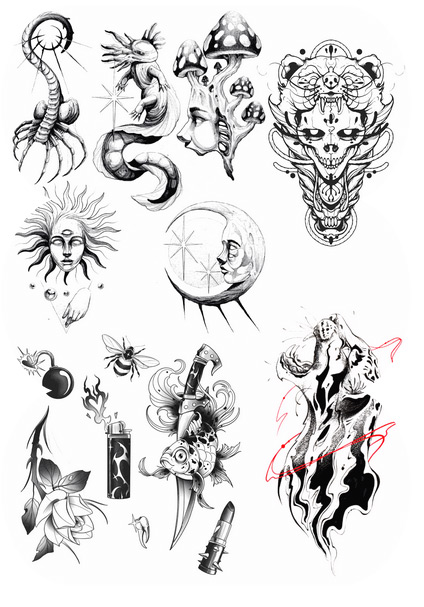
Choosing a tattoo isn’t just about the design—it’s about finding a style that speaks to your personality, body, and story. Here’s your no-nonsense guide to the most popular tattoo styles and how to know which one is right for you.
1. Fine Line Minimalist, elegant, and delicate. Think: florals, initials, constellations. Best for small pieces and subtle expressions. Heals fast but may fade faster on certain skin types.
2. Blackwork Bold, graphic, and deeply expressive. Large black areas, sacred geometry, tribal influences. Great for dramatic effect and strong body shapes.
3. Realism Photorealistic portraits, animals, objects. Demands high technical skill. Best for medium to large tattoos. Needs regular touch-ups over time.
4. Traditional (Old School) Bold outlines, limited colour palette, classic motifs like roses, daggers, anchors. A timeless style that ages beautifully.
5. Neo-Traditional Like traditional but with more colour, detail, and depth. Think: modern classic. Great for vibrant storytelling.
6. Japanese (Irezumi) Rich in symbolism and tradition. Dragons, koi fish, waves, and cherry blossoms. Usually large-scale body pieces with flowing composition.
7. Illustrative A blend of realism and sketchbook styles. Art-forward and unique. Great for custom work and storytelling tattoos.
8. Dotwork & Ornamental Made with tiny dots. Mandalas, sacred geometry, fine detailing. Great for people who love intricacy and symmetry.
How to Choose the Right Style
Tattoo styles are as varied as personalities. The best style for you is one that feels like a true reflection of your aesthetic and story. Browse, explore, and trust your instinct—your perfect style match is out there, waiting to be inked.
Choosing a tattoo isn’t just about the design—it’s about finding a style that speaks to your personality, body, and story. Here’s your no-nonsense guide to the most popular tattoo styles and how to know which one is right for you.
1. Fine Line Minimalist, elegant, and delicate. Think: florals, initials, constellations. Best for small pieces and subtle expressions. Heals fast but may fade faster on certain skin types.
2. Blackwork Bold, graphic, and deeply expressive. Large black areas, sacred geometry, tribal influences. Great for dramatic effect and strong body shapes.
3. Realism Photorealistic portraits, animals, objects. Demands high technical skill. Best for medium to large tattoos. Needs regular touch-ups over time.
4. Traditional (Old School) Bold outlines, limited colour palette, classic motifs like roses, daggers, anchors. A timeless style that ages beautifully.
5. Neo-Traditional Like traditional but with more colour, detail, and depth. Think: modern classic. Great for vibrant storytelling.
6. Japanese (Irezumi) Rich in symbolism and tradition. Dragons, koi fish, waves, and cherry blossoms. Usually large-scale body pieces with flowing composition.
7. Illustrative A blend of realism and sketchbook styles. Art-forward and unique. Great for custom work and storytelling tattoos.
8. Dotwork & Ornamental Made with tiny dots. Mandalas, sacred geometry, fine detailing. Great for people who love intricacy and symmetry.
How to Choose the Right Style
Tattoo styles are as varied as personalities. The best style for you is one that feels like a true reflection of your aesthetic and story. Browse, explore, and trust your instinct—your perfect style match is out there, waiting to be inked.
Copyright © Orchids and Shrink
Designed By SAIntellect Solutions